
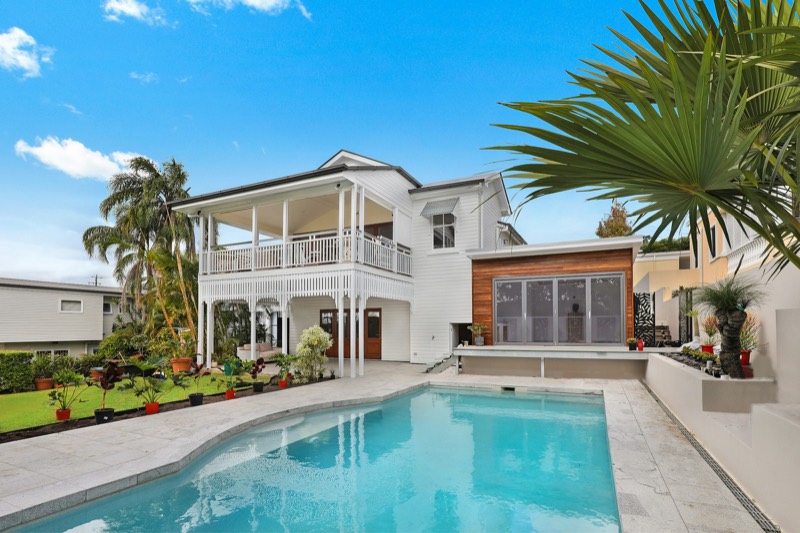
Waterfront is the most emotional purchase in Florida real estate, and the least forgiving of skipped homework. The view will be in every photograph. The seawall, the flood zone, and the insurance file will not. Here is the due diligence I walk my own buyers through before they fall in love.
Start with the seawall, not the kitchen
On canal and intracoastal properties, the seawall is often the single most expensive component of the property, and replacement can run well into six figures on larger frontages. Before anything else, I want to know its age, its material, and who is responsible for it: on some canals responsibility is the homeowner's alone, and in some communities it is shared or association-maintained.
Walk the wall at low tide if you can. Cracks, leaning panels, soil settling on the landward side, or washout holes behind the cap are all signs that money is going to leave your pocket. A dedicated seawall inspection is a small cost against that risk, and in many transactions I make it a condition of the offer.
Docks, boat lifts, and the rights beneath them
A dock in the photos is not automatically a dock you may keep, rebuild, or extend. Dock and lift structures typically require permits, and older ones are not always properly on record. Confirm the permit history, and understand that waterward improvements can involve state-level approvals and, for some structures over submerged state lands, lease arrangements.
If the boat is the reason you are buying, verify the practical details before contract: water depth at the dock at low tide, fixed-bridge clearances between the property and open water, and any community rules about vessel size. I have seen buyers discover after closing that their boat cannot reach the ocean without folding the tower down at two bridges.
The flood file: zone, elevation, and history
Every waterfront buyer should read three documents. The FEMA flood zone determination tells you how the mapping treats the parcel. The elevation certificate, when one exists, tells you how the structure actually sits relative to base flood elevation, which drives insurance pricing far more than the zone letter alone. And the seller's flood disclosure, which Florida law now requires, tells you about past flood damage and claims.
Florida's sellers must disclose flood damage and claims history on a standardized form, and prior claims travel with the property's insurance record. Ask for the claims history in writing. A house that flooded twice in ten years is a different purchase from its dry twin two lots down, whatever the zone map says.
Insurance is part of the price
On the water, insurance is not a closing detail; it is part of the price of the home. Quote it during the inspection period, not after. That usually means three conversations: flood coverage, windstorm coverage, and the ordinary homeowner policy, which may come from three different sources. Roof age, opening protection, and elevation drive the numbers, and a wind mitigation inspection frequently pays for itself many times over in credits.
The practical file
Beyond the headline items, my waterfront checklist always includes: a current survey showing the wall and any encroachments, confirmation of what is landscaping versus mangrove (trimming mangroves is regulated in Florida and fines are real), the condition of any davits or lifts, and where the property's drainage actually goes in a hard summer rain. None of this kills a good purchase. All of it prices a bad one honestly.
The view is what you fall in love with. The seawall is what you marry.
Waterfront remains, in my experience, the most rewarding property Florida offers, precisely because so few buyers do this work. The ones who do, buy well, insure sensibly, and sleep through hurricane season with a plan instead of a hope.
This article is general information drawn from South Florida transaction practice, not legal, insurance, or engineering advice. Verify every item for a specific property with the appropriate licensed professionals. Agata is glad to introduce you to hers: start the conversation.
Related reading: flood zones and insurance and the diligence paper trail. Buying on the water? Start with buyer representation.